
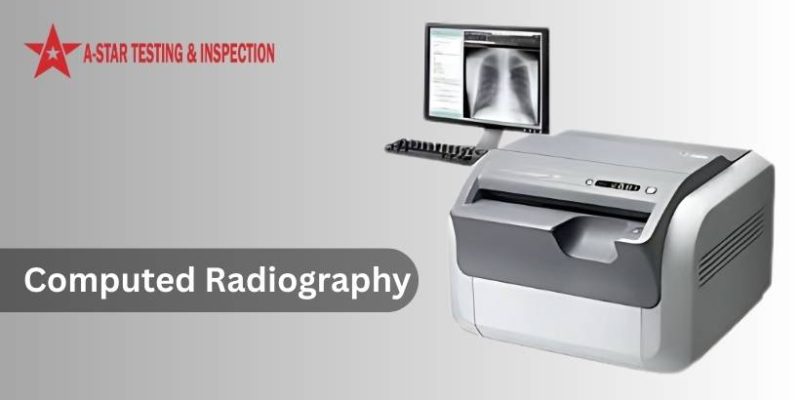
The inspection industry has been transformed by the use of digital imaging to a great extent. Computed Radiography is now one of the most popular techniques for inspecting welds, pipelines, pressure vessels, storage tanks, and structural elements without damaging the material. This technology provides faster inspections, higher quality of images, and effective digital record keeping by substituting the traditional X-ray film with reusable imaging plates. Oil and gas, power generation, petrochemicals, aerospace, manufacturing, and marine engineering industries are among the increasing industries that are using this method to retain the quality of products, promote regulatory compliance, and also save time during inspections.
This guide discusses the working of the technology, benefits, industrial use, its inspection, and the standards that are generally used by industries.
What Is Computed Radiography?
Computed Radiography (CR) is a digital radiography employed in industrial inspection to identify defects inside the component under inspection without harming the part. CR employs reusable photostimulable phosphor (PSP) imaging plates in place of conventional X-ray film, which record radiation exposure. Once the imaging plate has been scanned using a CR reader, the system is used to convert the image stored into a high-resolution digital format to be evaluated in greater detail.
CR allows the inspection process to be much more simplified than a conventional film radiograph by removing the chemical film processing and enhancing image storage, reporting, and analysis.
How Does Computed Radiography Work?
The inspection procedure is based upon a few simple procedures which enable inspectors to assess the internal state of the industrial parts.
Step 1: Preparing the Test Object
The positioning of the weld, pipe, casting, or fabricated component is in place prior to exposure. Correction aids in the generation of clear and correct images.
Step 2: Radiation Exposure
A radiation source or X-ray generator is used to pass the radiation through the test object. The thickness of the materials and internal defects affect the quantity of radiation deposited on the imaging plate.
Step 3: Image Capture
In place of the traditional film, the radiation pattern is recorded on a reusable imaging plate. This plate is a temporary storage of the picture before scanning.
Step 4: Digital Image Processing
The imaging plate is scanned with a dedicated CR reader, yielding a digital high-resolution image. To enhance the visibility of defects, inspectors are able to vary brightness, contrast, magnification, and sharpness.
Step 5: Inspection Report
The processed image is checked, analyzed, and recorded. It is possible to store digital reports and transmit them to the clients or quality teams in a short period of time.
Key Benefits of Computed Radiography
Most industries are shifting to the use of modern digital imaging as opposed to traditional film-based inspection due to the operational benefits of modern digital imaging.
Faster Inspection Workflow
Digital image processing saves a lot of time in the inspection turnaround time when compared to traditional film development.
Reusable Imaging Plates
One can use imaging plates a number of times, saving consumable costs and wastage.
High-Quality Images
High-technology software can be used to improve the clarity of images so that a better view of the weld discontinuities and material defects can be made.
Digital Storage and Traceability
The inspection reports are digitized, and it is now much easier to retrieve, compare, and do long-term documentation.
Environmentally Friendly
CR also minimizes the use of hazardous chemical wastes, as chemical film processing is not necessary any longer, which promotes cleaner inspection practices.
Improved Collaboration
Digital files may be immediately relayed to engineers, project managers, auditors and also clients wherever they are.
Applications Across Industries
Computed Radiography Inspection is prevalent in industries where quality and reliability of equipment is paramount.
Common applications include:
- Pipeline weld inspection
- Pressure vessel examination
- Storage tank inspection
- Heat exchanger assessment
- Structural steel inspection
- Offshore platform maintenance
- Checking equipment in power plants.
- Aerospace component evaluation
- Inspections of petrochemical plants.
- Manufacturing quality control
- Marine fabrication projects
- Refinery maintenance programs
The technology assists in detecting cracks, porosity, inclusion of slag, unfusion, corrosion, and other internal discontinuities before they cause failure of the equipment.
The Role of Radiographic Testing (RT)
One of the most useful methods of inspection in industrial quality assurance is Radiographic Testing (RT). It enables the inspector to assess the internal state of parts without tearing them to pieces or injuring them.
The RT has been improved by modern digital imaging, which has increased the quality of images, made documentation easier, and saved time during inspection. Consequently, most organizations currently tend to use digital radiographic solutions as opposed to using the traditional films.
Industrial Radiography Testing and Digital Transformation
Industrial Radiography Testing has gained rapid adoption due to the adoption of digital inspection technologies by industries. Digital imaging enhances productivity and helps to aid proper assessment of defect and ease of compliance with quality management systems.
The benefits of the system to organizations include efficient reporting and record storage, remote image review, and enhanced interaction between inspection teams and clients.
Digital X-ray Inspection in Modern Manufacturing
Digital X-ray Inspection is one of the significant quality checks used by manufacturers of critical parts. The technology enables the inspector to check the integrity of the weld, detect concealed defects, and ensure the quality of the product prior to equipment services.
Digital imaging is also used in predictive maintenance, whereby the past inspection records are compared with the present inspection outcomes.
Industry Standards for Computed Radiography
In order to ensure quality and consistency of inspection, organizations tend to adhere to globally accepted standards and codes.
Some of the most commonly referenced standards include:
- ASME Boiler and Pressure Vessel Code (BPVC)
- ASTM E2446- Computed Radiography Systems.
- ASTM E2737 – Digital Detector Performance.
- ISO 17636-2 Radiographic Testing with Digital Detector.
- Qualification and certification of NDT Personnel, ISO 9712.
- ASNT Recommended Practice SNT-TC-1A
Adherence to these standards assists in enhancing the accuracy of the inspection, documentation, and acceptance of the regulations.
Why Non-Destructive Testing (NDT) Matters
Non-Destructive Testing (NDT) allows industries to test valuable assets without disrupting their operations. The use of Computed Radiography in conjunction with other methods like Ultrasonic Testing (UT), Magnetic Particle Testing (MT), Liquid Penetrant Testing (PT), and Phased Array Ultrasonic Testing (PAUT) enables organizations to have a more comprehensive view of equipment condition.
This combined methodology assists in minimizing unforeseen failures, maximizing maintenance planning, and increasing the life of assets.
Frequently Asked Questions (FAQs)
Q1. What is the purpose of Computed Radiography?
Ans: It is applied to inspect welds, pipelines, pressure vessels, storage tanks, castings, and structural components and helps identify internal defects without harming the material.
Q2. What is the difference between Computed Radiography and conventional film radiography?
Ans: Computed Radiography replaces photographic film and chemical development with reusable imaging plates and digital processing, making any inspection a quicker and easier way to handle.
Q3. What industries are typical users of Computed Radiography?
Ans: This form of inspection is very common in oil and gas, petrochemical, power generation, aerospace, marine, manufacturing, construction, and heavy engineering industries.
Q4. What are the defects that can be identified?
Ans: It is capable of detecting cracks, porosity, slag inclusions, absence of fusion, corrosion, incomplete penetration, and other internal discontinuities.
Q5. Is Computed Radiography environmentally friendly?
Ans: Yes. It does away with chemical film processing, waste, encourages reusable imaging plates, and simplifies the handling of digital records.
Conclusion
Computed Radiography has turned out to be a mandatory inspection tool to industries that demand quality control that is precise, effective, and digitally controlled quality control. Its capability to create high-resolution images, lessen inspection time, exclude chemical processing, and simplify reporting makes it a viable option in inspections in modern industrial applications. When done in line with accepted industry standards and with other Non-Destructive Testing procedures, it assists organizations to enhance the integrity of the assets, decrease downtime, aiding in regulatory conformity, and maintaining steady quality in key infrastructure and manufacturing processes. A-Star Testing & Inspection offers Computed Radiography services to companies that require trusted industrial inspection services with qualified personnel, highly sophisticated equipment and industry approved inspection services to suit the requirements of the different industrial segments.
Related NDT Services
Advanced NDT · Real-Time Radiography · Film Digitization
Frequently Asked Questions
What is Computed Radiography (CR)?
CR is digital radiography that replaces film with a reusable imaging plate, giving faster results, lower cost and easy archiving while meeting radiographic testing codes.
CR vs Digital Radiography (DR) vs film?
Film is traditional and slow; CR uses phosphor plates and a scanner; DR uses a direct digital detector for the fastest, highest-quality images. A-Star offers CR and DR.
Where is computed radiography used?
On pipeline and pressure-vessel welds, castings and structural welds where a permanent, high-contrast radiographic record is required.